Sui (SUI) Price Today: Live Chart & Market Data
 November 2, 2026
7 min read
Disclosure: This page is information and opinion, not financial advice. See our full disclaimer.
Key takeaways
- Sui is a Layer-1 launched in May 2023 by Mysten Labs. Its Move language and object-centric design enable many simple transactions to run in parallel, targeting fast, low-cost applications.
- SUI pays network fees, supports delegated proof-of-stake, and is used for governance. Staking rewards are paid in SUI, so ongoing token unlocks reduce real yield.
- Only about 4.1 billion of Sui’s 10 billion maximum supply is circulating. Roughly 64 million SUI unlock monthly, making fully diluted valuation important when assessing supply pressure.
- Sui’s DeFi TVL rose from about $250 million in early 2024 to a $2.6 billion peak in late 2025, then fell 82% to roughly $490 million by late 2026.
- SUI reached an all-time high of $5.35 in early January 2025 and later traded around $0.90 to $1.20 through 2026. It’s a volatile, speculative bet on durable demand outpacing dilution.
- Sui has distinct technology and room to grow, but it has not yet produced a breakout consumer app. The supply overhang and sharp TVL decline are central risks.
What is Sui?
Sui is a Layer-1 blockchain built by Mysten Labs, a team of ex-Meta engineers who worked on the company’s abandoned Diem crypto project. It launched in May 2023 and competes directly with Solana and others to be a fast, cheap chain for consumer apps, games, and DeFi. SUI is the token that pays fees, secures the network through staking, and votes in governance.
Its technical pitch is genuinely distinct. Sui uses the Move programming language (designed for safer handling of digital assets) and an object-centric data model that lets many simple transactions run in parallel, so it can stay fast and cheap under load. That architecture is the bull case. The honest bear case, covered below, is a supply structure that hangs over the token regardless of how good the tech is.
The supply overhang: the number that matters most
Here’s the single most important thing to understand about SUI, and the one most price pages skip. Sui has a maximum supply of 10 billion tokens, but only about 4.1 billion (roughly 41%) are circulating. The other ~60% is locked and releases on a schedule, with roughly 64 million SUI unlocking every month.
That’s a persistent headwind. Every month, new supply hits the market that demand has to absorb just to keep the price flat. It’s the same dilution problem we flag on the Chainlink and Avalanche pages, and for SUI it’s especially large because so much supply is still to come. Judge SUI by fully-diluted valuation, not just circulating market cap, because the gap between them is real future selling pressure.
TVL: strong growth, then an 82% crash
Sui’s DeFi ecosystem grew fast, with protocols like Navi, Scallop, and Cetus building out lending and trading. Total Value Locked climbed from around $250 million in early 2024 to a peak of about $2.6 billion in late 2025.
Then it fell hard. By late 2026, Sui’s TVL had dropped to roughly $490 million, an 82% collapse from the peak, tracking the broader altcoin downturn. That matters because a Layer-1’s value rests on activity, and activity left along with the deposits. Bulls point out that $490 million is still a real ecosystem with room to grow (Sui is well under 2% of total DeFi TVL); bears note that the chain hasn’t yet produced the breakout consumer app that would justify its valuation.
Staking: real yield, with the usual asterisks
SUI uses delegated proof-of-stake: you stake (or delegate) SUI to validators to help secure the network and earn rewards, with no hard minimum that shuts out small holders. The yield is a genuine reason to hold if you’re already bullish on the chain.
Two honest caveats. The rewards are paid in SUI, so with 60% of supply still unlocking, the real yield (reward minus dilution) is smaller than the headline, the subtraction our staking math guide walks through. And staking doesn’t remove the unlock pressure; it just takes some supply off the immediately tradable market for a while. Advertised SUI yields far above the native staking rate are lending products, not real staking.
The Move-language family, and why it’s worth noting
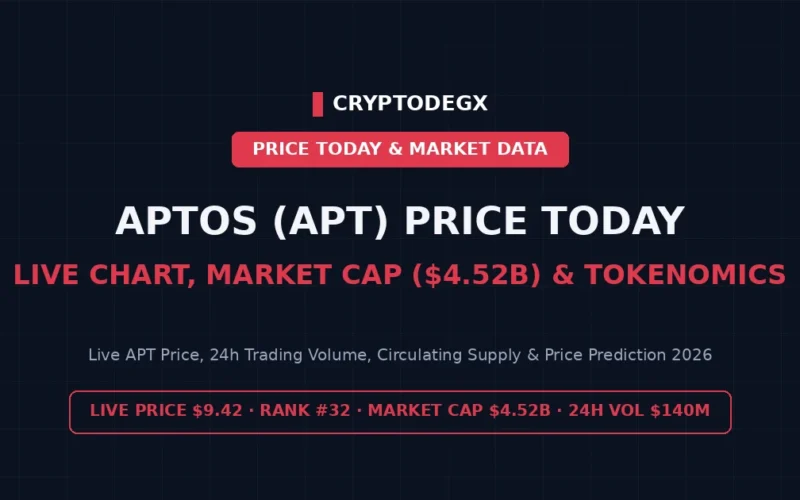
Sui is part of a cluster of chains built on Move, the language Meta created for its Diem project before shutting it down. Aptos is its closest cousin, built by a different ex-Diem team. The shared ancestry matters because it’s a genuinely different technical foundation from the Ethereum-style EVM world, with safety features specifically designed for handling digital assets.
Whether that technical edge translates into users is the open question for the whole Move family. Better architecture has not reliably won in crypto, where network effects, liquidity, and a killer app usually matter more than raw performance. Sui has the tech; what it’s still proving is the demand.
Price history in one paragraph
SUI launched in May 2023 around $1, dropped to an all-time low near $0.36 in late 2023, then ran to an all-time high of $5.35 in early January 2025 on the L1 and Move narrative. It has since fallen about 82%, trading around $0.90-$1.20 through 2026. The chart is a classic newer-L1 shape: one big speculative cycle up, then a long grind down as unlocks add supply and the TVL that drove the rally leaves. Anyone buying now is betting the tech eventually attracts durable demand faster than the monthly unlocks dilute it, which is a real but unproven bet. Schedules and strict sizing suit a chart this volatile.
Buying, staking, and storing SUI
SUI is listed on most major licensed exchanges. For self-custody, the Sui-native wallets (Sui Wallet, Suiet, Slush) or a hardware wallet with Sui support all work. SUI uses its own address format (0x-prefixed but on Sui, not Ethereum), so the network matters: sending SUI to an Ethereum address, or the wrong chain’s version, can strand your funds, exactly the wrong-network mistake to avoid, so match the chain and test send first per the address basics. To stake, delegate from a Sui wallet to a validator, or use an exchange’s staking option for a hands-off (and lower) return.
Frequently asked questions
What is the price of Sui right now?
The live SUI/USD price at the top of this page updates every minute from CoinGecko’s aggregated data, with 24-hour change, market cap, volume, and a live chart below.
What was Sui’s all-time high?
$5.35, reached in early January 2025 (some trackers show $5.17 by methodology), during the Layer-1 narrative run. SUI has traded roughly 82% below that since, around $0.90-$1.20 through 2026, after launching near $1 and bottoming around $0.36 in late 2023.
What is Sui’s max supply, and why does it matter?
Sui has a max supply of 10 billion SUI, but only about 4.1 billion (roughly 41%) is circulating. The remaining ~60% unlocks over time, around 64 million SUI per month, which is a persistent source of selling pressure. Because of that gap, judge SUI by its fully-diluted valuation, not just its circulating market cap.
What makes Sui different from Solana or Ethereum?
Sui uses the Move programming language and an object-centric data model that lets many simple transactions run in parallel, aiming for high speed and low fees. That’s a genuinely different technical foundation from Ethereum’s EVM, and a different approach to parallelism than Solana. Whether the architecture attracts durable users is the open question.
Can you stake Sui?
Yes. SUI uses delegated proof-of-stake, so you stake or delegate to validators to earn rewards, with no hard minimum. Two caveats: rewards are paid in SUI, so the real yield after ongoing unlocks is lower than the headline, and staking reduces immediately tradable supply without removing the underlying unlock pressure.
Why did Sui’s TVL drop so much?
Sui’s DeFi TVL grew from about $250 million in early 2024 to a $2.6 billion peak in late 2025, then fell roughly 82% to around $490 million by late 2026, tracking the broader altcoin downturn. Deposits left as the market cooled, and since a Layer-1’s value rests on activity, the token followed the deposits down.
Is Sui a good investment?
It’s a high-risk bet on a newer Layer-1 with genuinely strong technology and a real supply overhang. The bull case is the Move architecture, developer growth, and room to expand from a small TVL base; the bear case is 60% of supply still to unlock, an 82% TVL crash, and no breakout app yet. It suits investors comfortable with speculative L1 risk, sized for the kind of drawdown SUI has already shown.
page v1